📄 Top Article 📄
Life by You - The new Sims Rival [...]
Author: Arshdeep Singh[ Source: GameTikker ]
⇄ Latest Gaming News ⇆
Weekly Special
The New Xbox Mastercard
Read more...
In September 2023, Xbox Insiders received early access to the Xbox Mastercard to help shape the customer experience.
The credit card delivers a unique value tailored to players by using a points system that allows them to spend points
on things they love.
[ Source: Xbox Wire ]
 SaGa Emerald Beyond - Review [...]
[ Source: Video Chums ]
 BlizzCon 2024 is canceled, game announcements coming at other events [...]
[ Source: Game Sandwich ]
 Stellar Blade will "absolutely" crossover with the gacha game built specifically to stare at butt jiggles [...]
[ Source: GamesRadar+ ]
TL;DR Gaming News Today
Rusty's Retirement - Rusty’s Retirement is out now on Steam! A relaxing idle-
farming simulator that sits at the bottom of your screen while you do other things!
[ Source: GameTikker ]
 More Than a Million Users Joined Fallout 76 In Just One Day [...]
[ Source: FextraLife ]
 GT Racers Rush Through Mexico’s Roads in Apex AllStars [...]
[ Source: Forza ]
 New Final Fantasy XVI DLC, The Rising Tide, available now [...]
[ Source: Square Enix ]
 Fallout 4 free update bugged on PS5, with PS Plus Extra subscribers unable to access the new version [...]
[ Source: TechRadar ]
 Splinter Cell remake to reportedly be unveiled soon as insider teases several features [...]
[ Source: GamingBible ]
Stellar Blade and New Game Plus mode available now [...][ Source: Impulse Gamer ]
TL;DR Gaming News Today
Stray Fawn Studio - Build your sky city and defeat enemy pirates while exploring a vast
landscape in this Open World RPG City Builder, Airborne Empire! Wishlist now on Steam!
[ Source: GameTikker ]
 Slime Rancher 2 Headed to PS5 in Early Access on June 11 [...]
[ Source: VGChartz ]
 Silent Hill 2 Remake Updates James Sunderland’s Design [...]
[ Source: Gamescordia ]
 Deliver Us The Moon - Review [...]
[ Source: Game Craves ]
 Thunderkick Unveils Sequel to Top-Performing Game with Midas Golden Touch 2 [...]
[ Source: European Gaming ]
 Apple Now Permits Video Game Emulators in the App Store [...]
[ Source: Lifewire ]
 Xbox Game Pass Ultimate subscribers can claim a three pack of free skins for Overwatch 2 for a limited time [...]
[ Source: Windows Central ]
TL;DR Gaming News Today
Goblinz Publishing - New automation game! Control a colony of robotic ants. Create pathways
to make it efficient, feed your queen and develop the colony! Wishlist Microtopia on Steam!
[ Source: GameTikker ]
 New Prince of Persia game announced by Dead Cells developer [...]
[ Source: Digital Spy ]
 NVIDIA DLSS 3, Reflex, and ray tracing is coming to open world tactical FPS Gray Zone Warfare [...]
[ Source: TweakTown ]
 'Space Nation Online' Preview - Ethereum Game's Promising Beta Plagued by Server Issues [...]
[ Source: Decrypt ]
 Elite: Dangerous’s real-money ship sales spark “pay-to-win” outrage [...]
[ Source: Ars Technica ]
 Star Wars: Battlefront Classic Collection Gets Second Major Update, Patch Notes Revealed [...]
[ Source: ComicBook ]
 Ex-Mintable COO secures $1.7m for new Web3 gaming startup [...]
[ Source: Tech in Asia ]
TL;DR Gaming News Today
Stray Fawn Studio - Build your deck, fight enemies by grabbing weapons and items from a claw machine
and find special artifacts in this Roguelike Claw Machine Deckbuilder. Wishlist Dungeon Clawler on Steam!
[ Source: GameTikker ]
 Exciting Fortnite x Fall Guys Crossover Postponed - Find Out the New Arrival Date [...]
[ Source: Tech Times ]
 Apex Legends hacker says game developers patched exploit used on streamers [...]
[ Source: TechCrunch ]
 Another Crab's Treasure - Metacritic Score [...]
[ Source: Metacritic ]
Head Chef

Head Chef is a restaurant management game. Supply the kitchen, select your staff, create a delicious menu and… cook!
Make your guests happy and find your way to the stars. Keep control of your team and finances, because the higher you climb,
the harder you fall.
Visit the official Steampage [...]
[ GameTikker ]
 Helldivers 2 to Xbox Just Got a Whole Lot More Likely in Latest PlayStation Rumour [...]
[ Source: FandomWire ]
 Tales of the Shire: A The Lord of the Rings Game Is a Cozy Hobbit Life Sim Out in 2024 [...]
[ Source: Wccftech ]
 Star Wars Jedi: Survivor is coming to Game Pass Ultimate and EA Play on April 25 [...]
[ Source: Engadget ]
TL;DR Gaming News Today
Unreal Engine - Unreal Engine 5.4 is here! It’s packed with new features and improvements, including the toolsets
we’ve been using internally to make ‘Fortnite Chapter 5,’ ‘Rocket Racing,’ ‘Fortnite Festival,’ and ‘LEGO Fortnite’
the successes they are.
[ Source: GameTikker ]
 Steam will stop issuing refunds if you play two hours of a game before launch day [...]
[ Source: The Verge ]
 Delta Is an iOS Game Boy Emulator That (Likely) Won’t Get Taken Down [...]
[ Source: Wired ]
 Fallout 76 has attracted over a million players in just one day [...]
[ Source: Instant Gaming ]
 Fortnite offers to turn off ‘confrontational emotes’ to avoid upsetting players [...]
[ Source: Metro ]
 Nexus Mods struggling to keep up with ‘Fallout’ fans returning to the games [...]
[ Source: NME ]
 GTA 6: From main protagonists to supporting figures, all the key characters in Grand Theft Auto 6 [...]
[ Source: HT Tech ]
TL;DR Gaming News Today
Reus 2 - Become a god again, take control of mighty giants and fill the universe with life! Wishlist Reus 2 on Steam!
[ Source: GameTikker ]
 Apex Legends teases Season 21 with Olympus exploding [...]
[ Source: Esports GG ]
 Razer Unveils Viper V3 Pro - A High-Performance Esports Gaming Mouse [...]
[ Source: Guru 3D ]
 Overwatch 2 Season 10 Guide - Play Mirrorwatch Today [...]
[ Source: CNET ]
 Blizzard Is Banning Overwatch Console Players Who Use a Mouse and Keyboard [...]
[ Source: PC Mag ]
 Cosy Lord of the Rings game, Tales of the Shire, gets cute first trailer [...]
[ Source: Radio Times ]
 Release your inner hoarder with the roguelike Loot Rascals [...]
[ Source: Kill Screen ]
TL;DR Gaming News Today
Rockstar Games - Get 4X XP in all Red Dead Online Free Roam Events through April 29, and participate in any Free Roam
Event to receive 3 Fire Bottles and 3 Toxic Moonshine. Plus, bonuses in A Land of Opportunities, Call to Arms, and lots more.
[ Source: GameTikker ]
 LEGO Fortnite Farm Friends update patch notes: Pigs, bears, animal farm & more [...]
[ Source: Dexerto ]
 Little Big Planet 3 nukes servers and library of player creations [...]
[ Source: Polygon ]
 Atlus announces Metaphor ReFantazio release date [...]
[ Source: Video Games SI ]
 Hades 2: release date prediction, trailers, gameplay, and more [...]
[ Source: Digital Trends ]
 Larian Studios is working on adding crossplay and a photo mode to Baldur's Gate 3 [...]
[ Source: TechRadar ]
 Valheim players can now try out the new Ashlands biome [...]
[ Source: VentureBeat ]
TL;DR Gaming News Today
STARMETAL CRUSADERS - Stand against General Ramesses in Star Metal Crusaders! Get ready to witness epic battles! Wishlist on Steam!
[ Source: GameTikker ]
 Zenless Zone Zero’s Release Date May Have Just Leaked [...]
[ Source: The Escapist ]
 Tekken 8 Hit by Negative Reviews and Player Backlash [...]
[ Source: The Outerhaven ]
 Reigns Beyond Review - Sci-Fi silliness meets rock band road trip [...]
[ Source: The Guardian ]
Gray Zone Warfare seems keen to hit PS5 and Xbox, unlike Tarkov [...][ Source: The Loadout ]
 Fan-Made Star Wars Horror Game Features Zombie Darth Vader [...]
[ Source: TheGamer ]
 Global Games Fund offers devs from emerging markets up to $50,000 [...]
[ Source: Gamesindustry ]
TL;DR Gaming News Today
Darwake - EPIC NEWS: Demo finally out! Don't miss it! PLAY ON STEAM!
[ Source: GameTikker ]
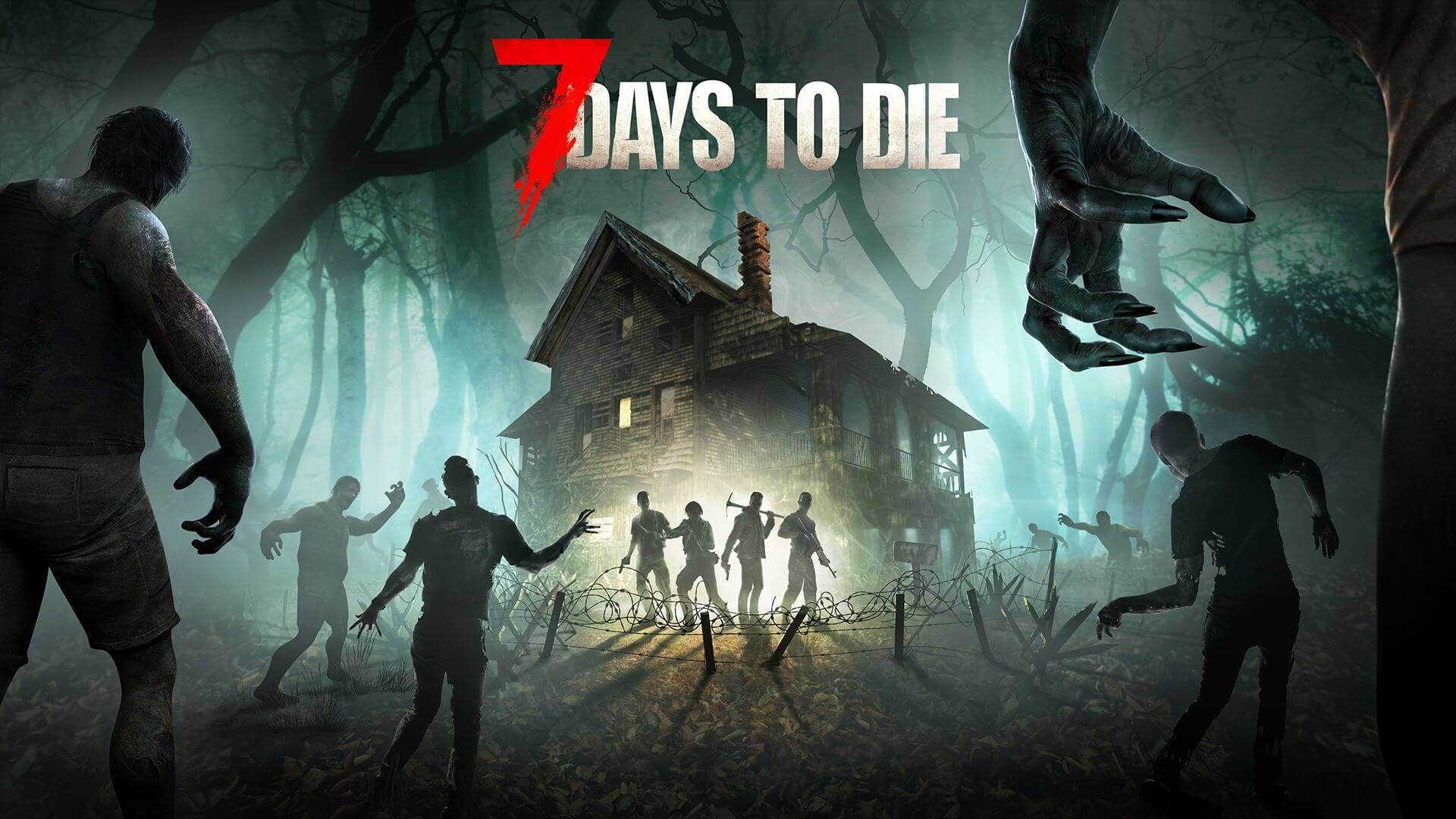 Steam zombie survival game leaving early access after 11 years [...]
[ Source: PCGamesN ]
 Locked ESO accounts compensated with Event Styles, Seals of Endeavours, and more [...]
[ Source: ESO Hub ]
 $95 Million BlackRock Motor Park Debuts In Assetto Corsa [...]
[ Source: OverTake ]
 Crypt Stalker Switch Review - NES-Like Demon Slaying [...]
[ Source: Exophase ]
 Saviorless - Review [...]
[ Source: Video Chums ]
Reigns Beyond Review - Endless Choices [...][ Source: Infinite Start ]
TL;DR Gaming News Today
VOID Interactive - FPS fest ends April 22nd at 10am PT! Check out Ready or Not before the window closes!
[ Source: GameTikker ]
 Sony Announces Crossplay and System Requirements for Ghost of Tsushima: Director’s Cut for PC [...]
[ Source: FextraLife ]
 Pawns are now less likely to die or explode after new Dragon's Dogma 2 patch [...]
[ Source: Windows Central ]
 ‘Stardew Valley’ update adds 40 new mines and fish frenzies [...]
[ Source: nme ]